Tata Group has announced a ₹11,000 crore investment in Jharkhand, covering a ₹7,000 crore green steel plant, ₹2,600 crore tinplate expansion, ₹1,500 crore combi mill project, and hydrogen truck manufacturing by Tata Motors.
Let’s be honest — when the Tata Group makes a move, people pay attention. And this one is massive.
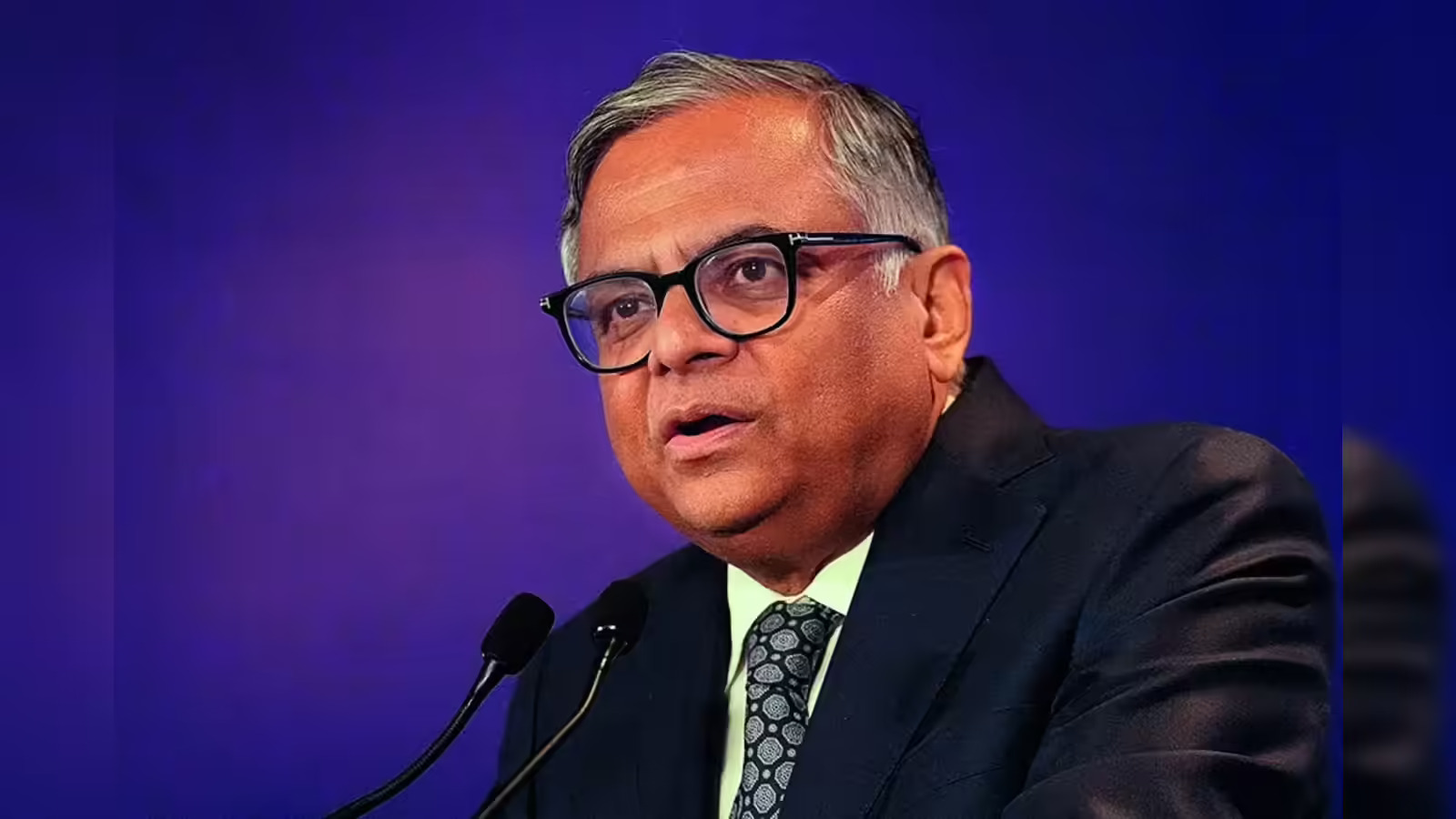
Tata Group Chairman N. Chandrasekaran just stood up and said something that Jharkhand has been waiting to hear for a long time: “We’re putting ₹11,000 crore into this state.” That’s not a small cheque. That’s a generational commitment.
It Didn’t Happen Overnight
This announcement didn’t come out of thin air. The groundwork was quietly laid months ago at the World Economic Forum in Davos — yes, the big global summit where world leaders and corporate giants shake hands on billion-dollar deals. Jharkhand’s Chief Minister Hemant Soren was there, and a formal agreement was signed between the state government and Tata Steel. Today’s announcement is essentially the public declaration of that promise being honoured.
So Where Is All That Money Actually Going?
This is where it gets really interesting. The ₹11,000 crore isn’t just one big dump of cash — it’s split across three very specific, very strategic projects:
Green Steel — ₹7,000 Crore (The Star of the Show)
The biggest slice of the pie goes into something that sounds futuristic but is very real — green steelmaking. Tata Steel is deploying two breakthrough technologies called HISARNA and EASyMelt at their Jamshedpur plant.
Think of HISARNA as a smarter, cleaner furnace. It can use local coal and low-grade iron ore — the kind Jharkhand has plenty of — while cutting down carbon emissions dramatically. It was already tested successfully in the Netherlands, and now a full-scale plant with a capacity of around 1 million tonnes per year is being built right here in Jamshedpur, targeting completion by 2030.
EASyMelt takes it a step further — it’s designed to slash the amount of coke (a heavily polluting fuel) used in steelmaking, replacing it with synthetic gas. The result? Up to 50% fewer carbon emissions. In an industry famous for being one of the world’s biggest polluters, that’s not just impressive — it’s a big deal globally.
Tinplate Expansion — ₹2,600 Crore
Ever wondered what the shiny metal used in food cans and packaging is? That’s tinplate, and Tata makes a lot of it. They’re putting ₹2,600 crore into expanding this capacity in Jamshedpur. With India’s food and packaging industry growing rapidly, this is a smart, commercially sound bet.
The Combi Mill — ₹1,500 Crore
A brand-new modern Combi Mill is being set up — a high-tech rolling facility that processes steel into various flat products. It’s currently in its ramp-up stage and Chandrasekaran has personally coordinated with the Chief Minister on timing its official inauguration. Projects like these are targeted to be fully operational by 2028-29.
Tata Motors Chips in Too — With Hydrogen Trucks
It’s not just steel. Tata Motors is also making a fresh investment at their Jamshedpur facility, this time to manufacture hydrogen-powered trucks.
Why does this matter? Because hydrogen trucks represent the future of clean, heavy-duty logistics. Diesel-guzzling trucks are a major source of pollution, and hydrogen is widely seen as the answer. By building this capability now, Tata Motors is positioning Jamshedpur as a potential global hub for green commercial vehicles — not just a factory town.
An Expert Panel for Jharkhand’s Future
Chandrasekaran also announced that the Tata Group will put together a dedicated expert panel to explore investment possibilities across various other sectors in Jharkhand. This tells you something — the group isn’t thinking in terms of one project. They’re thinking about the state’s entire economic future, from education and skills to infrastructure and beyond.
In fact, there are already talks about Tata supporting upgrades to Industrial Training Institutes (ITIs) across the state — which directly means more youth getting skilled, employable, and ready for the industries that are coming.
Why This Is Bigger Than Just Business
Jharkhand turns 25 years old as a state this year. And for a state that has long been seen as rich in minerals but lagging in industrial development, this moment is symbolic. The state is trying to shake off its image as just a raw-material supplier and become a genuine manufacturing and technology powerhouse.
Tata Steel has been in Jamshedpur since before Jharkhand even existed as a state. The city literally grew around the steel plant. So, when Tata makes a commitment like this, it carries emotional and historical weight — not just economic significance.
The Bottom Line?
This is Tata saying — “We’re not just staying, we’re growing — and we’re doing it the right way.” Green technology, future-ready vehicles, skilled jobs, and long-term industrial development. For Jharkhand, this could be the beginning of a completely new chapter.